


As our manufacturing company expanded its operations across multiple regions, we encountered significant integration challenges between our manufacturing resource planning platform (Katana MRP), the U.S. accounting system (QuickBooks Online), and the Chinese financial management software (Kingdee). We outline our systematic approach to addressing these challenges, which enables seamless information flow and ensures the integrity of financial data across our global enterprise.
Domestic System Integration Strategy
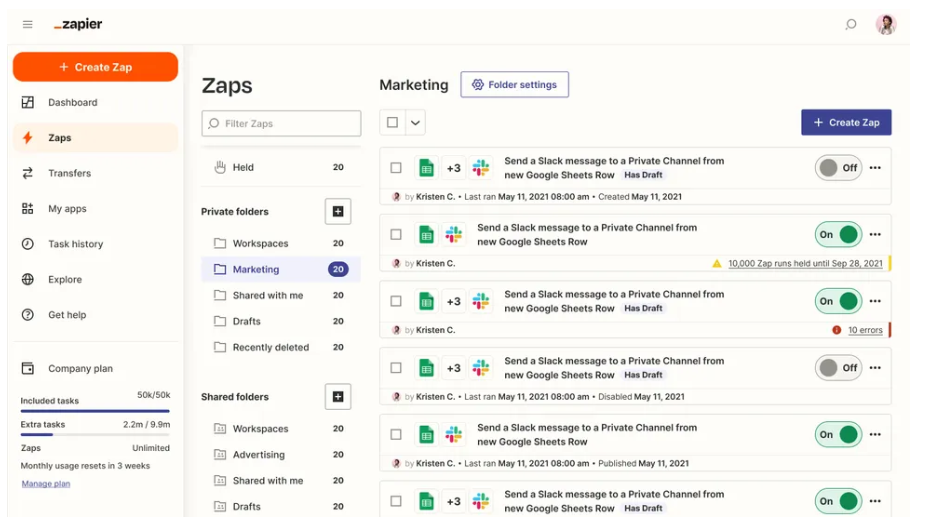
After evaluating several options, we implemented Zapier as our integration platform for U.S. operations. This middleware solution provided the necessary connectivity between our manufacturing and accounting systems without requiring custom development resources.
Zapier Implementation Benefits
The integration platform delivered immediate operational improvements:
-
Automated transaction processing: Purchase orders, invoices, and payments now flow automatically between systems
-
Enhanced cross-functional visibility: Production and finance departments gained real-time access to critical information
-
Reduced manual data entry: Eliminated duplicate entry requirements, significantly reducing error rates
-
Accelerated order-to-cash cycle: Shortened the timeline from order completion to invoice generation and payment collection
-
Streamlined reporting: Enabled consistent data consolidation for management reporting
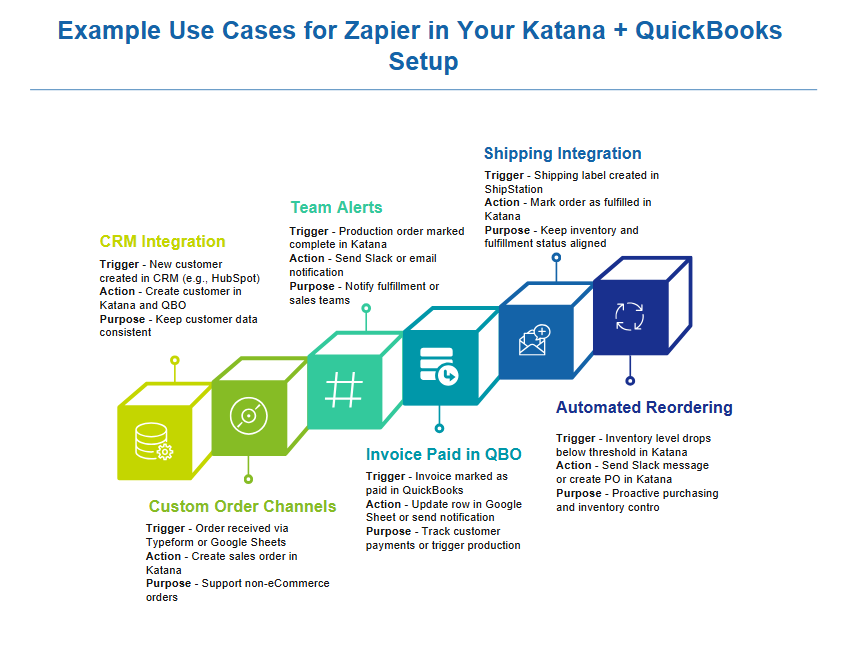
This solution proved particularly valuable for managing non-standard transactions and orders originating outside our e-commerce channels, which previously required substantial manual intervention.
Example Use Cases for Zapier in Your Katana + QuickBooks Setup
Cross-Border Financial Consolidation Framework
While the Zapier implementation successfully addressed domestic integration requirements, we encountered limitations when attempting to extend this solution to our international operations. Specifically, the platform lacked robust multi-currency capabilities necessary for consolidating financial information between our U.S. and Chinese entities.
To address this challenge, we developed a structured consolidation methodology that ensures accurate and compliant financial reporting across our global operations.
Leveraging Zapier Chatbots for Financial Operations
To further enhance our financial operations ecosystem, we've implemented Zapier Chatbots to provide on-demand assistance to both our finance and operations teams. These AI-powered assistants have become an invaluable resource for addressing routine inquiries and streamlining information flow between departments.
Implementation Strategy
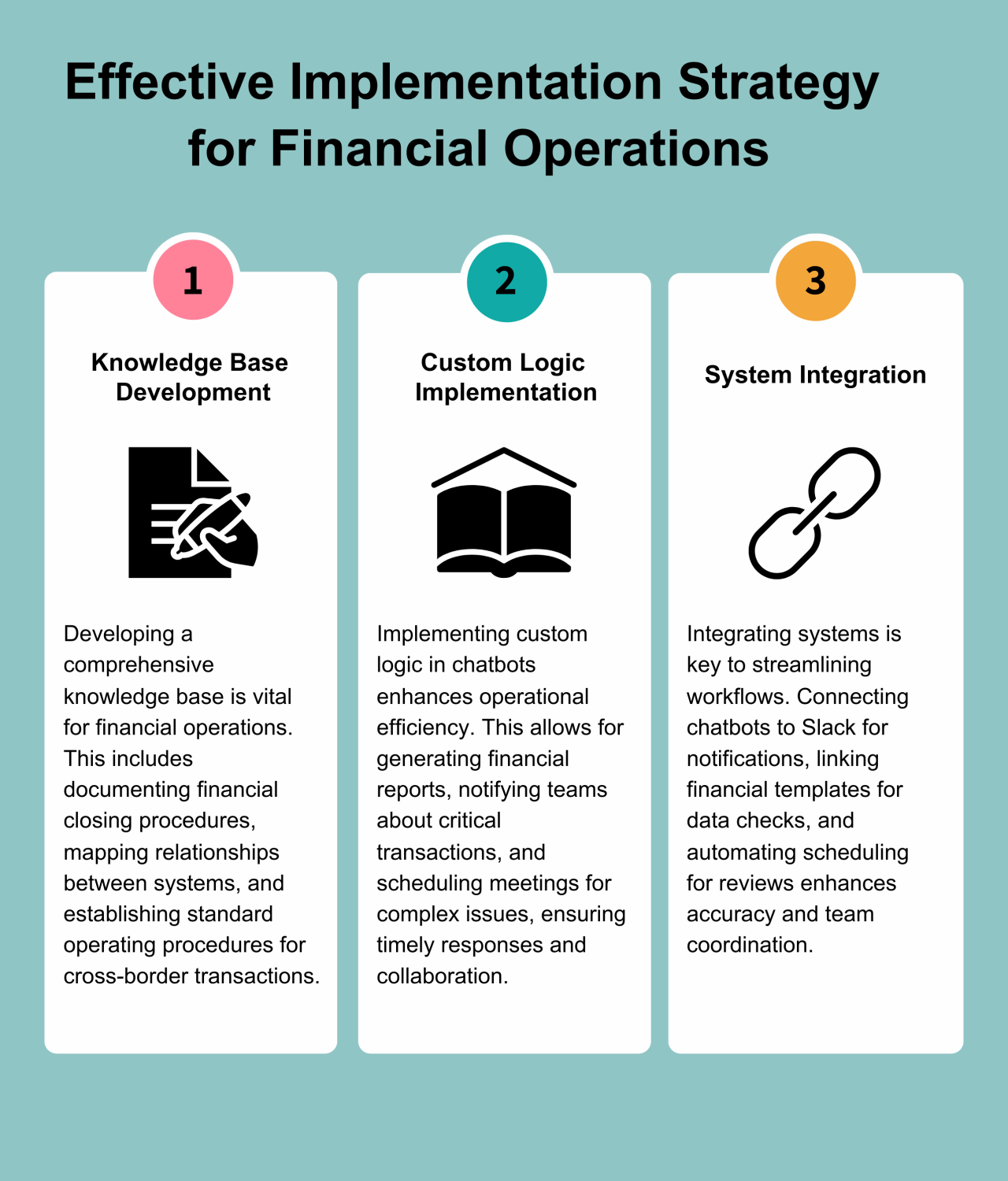
Our chatbot deployment followed a structured approach:
-
Knowledge Base Development: We curated comprehensive knowledge sources including:
-
Financial closing procedures specific to both U.S. and Chinese operations
-
Documentation of mapping relationships between Katana, QuickBooks, and Kingdee
-
Standard operating procedures for cross-border transactions
2. Custom Logic Implementation: We configured the chatbots with specialized logic to:
-
Generate financial reconciliation reports upon request
-
Notify appropriate team members when cross-border transactions require attention
-
Schedule finance team meetings when complex issues require collaborative resolution
3. System Integration: We connected the chatbots directly to our existing workflow:
-
Integration with Slack for immediate notification of financial discrepancies
-
Connection to our financial consolidation templates for data verification
-
Automated scheduling capabilities for finance team reviews
This implementation has particularly benefited our month-end close process, with accounting staff now able to receive immediate guidance on proper account mapping and currency translation procedures, significantly reducing the learning curve for new team members
Measurable Benefits
The chatbot integration has delivered quantifiable improvements:
-
Reduced inquiry response time: 85% decrease in time spent answering routine financial procedure questions
-
Improved financial literacy: Democratized access to financial knowledge across departments
-
Enhanced process consistency: Standardized approach to handling cross-border transactions
-
Decreased training costs: Accelerated onboarding for new finance team members
Seven-Phase Consolidation Process
Phase 1: Local Entity Closing Procedures
Both U.S. and Chinese finance teams complete their respective month-end closing processes following local accounting standards. This includes finalizing all accruals, depreciation schedules, tax provisions, and completing standard reconciliations according to a synchronized closing calendar.
Phase 2: Trial Balance Extraction
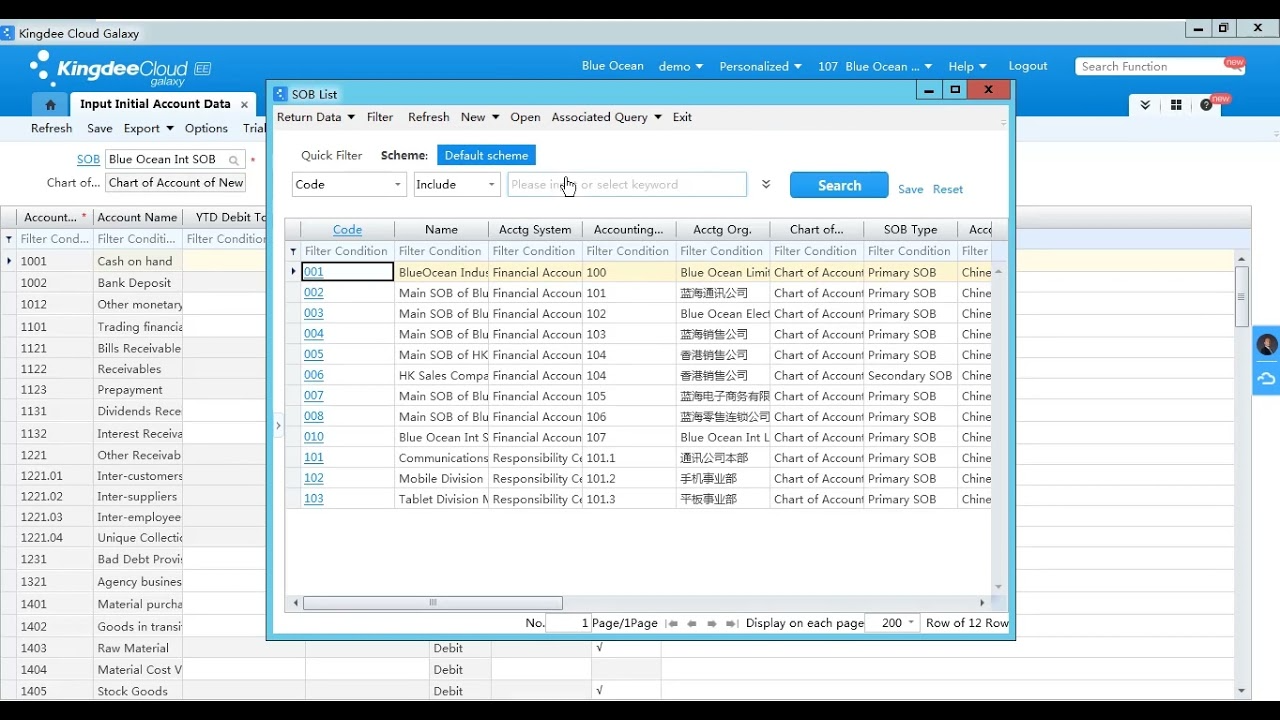
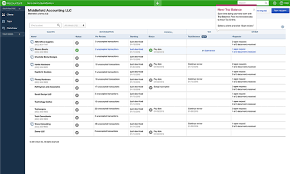
Upon completion of local closings, standardized trial balances are extracted from both QuickBooks (USD) and Kingdee (RMB). These extracts include comprehensive account codes, descriptions, and ending balances for all general ledger accounts.
Phase 3: Currency Translation Protocol
Financial data from Chinese operations undergoes currency translation following established accounting guidance:
-
Income statement accounts are translated using monthly average exchange rates
-
Balance sheet accounts are translated using period-end spot rates
-
Translation adjustments are recorded in comprehensive income
This approach ensures compliance with FASB ASC 830 (formerly FAS 52) and international reporting standards.
Phase 4: Chart of Accounts Harmonization
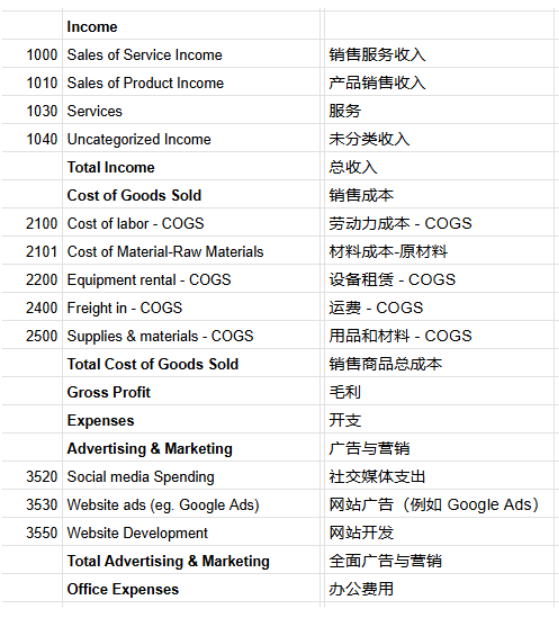
To facilitate consolidation, we developed a unified chart of accounts with a comprehensive mapping structure that aligns local account codes from both systems to our master account structure. This mapping ensures consistent treatment of similar transactions regardless of originating system.
Phase 5: Consolidation Template Population
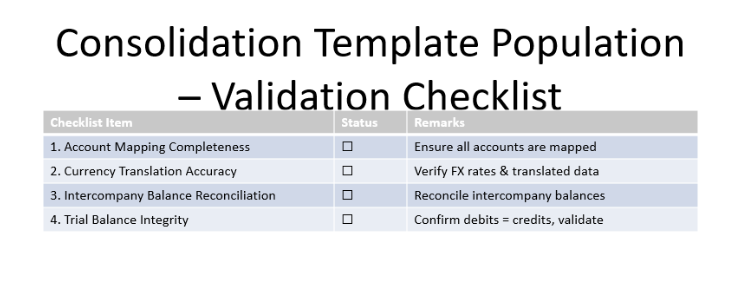
Translated and mapped financial data is incorporated into our consolidation model, which includes automated validation checks for:
-
Account mapping completeness
-
Currency translation accuracy
-
Intercompany balance reconciliation
-
Trial balance integrity
Phase 6: Consolidation Adjustments
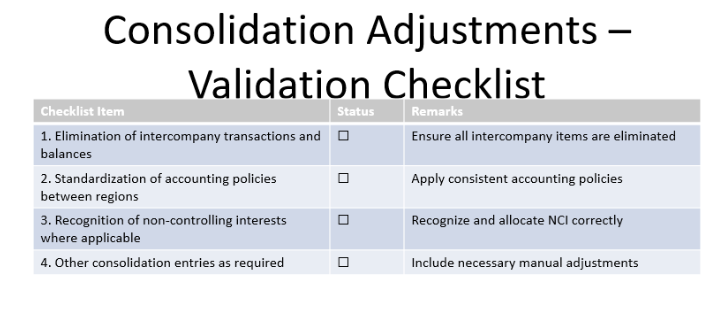
Prior to finalizing consolidated statements, necessary adjustments are applied:
-
Elimination of intercompany transactions and balances
-
Standardization of accounting policies between regions
-
Recognition of non-controlling interests where applicable
-
Other consolidation entries as required
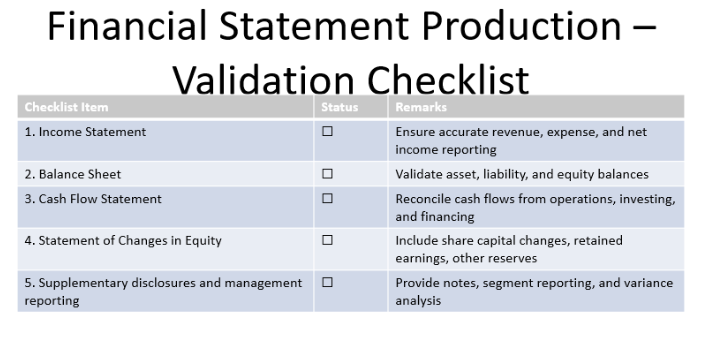
Phase 7: Financial Statement Production
The process culminates in the generation of consolidated financial statements, including:
-
Income Statement
-
Balance Sheet
-
Cash Flow Statement
-
Statement of Changes in Equity
-
Supplementary disclosures and management reporting
Process Evolution and Continuous Improvement
Our consolidation methodology continues to evolve through ongoing refinement and increasing automation. Current initiatives include:
-
Development of automated data extraction processes
-
Implementation of enhanced validation controls
-
Evaluation of dedicated consolidation software solutions
-
Documentation of comprehensive standard operating procedures
Strategic Outcomes
This two-tiered approach—leveraging Zapier for domestic system integration while implementing a structured consolidation methodology for global financial reporting—has delivered substantial benefits to our organization:
-
Increased operational efficiency: Reduced close timeline by 64%
-
Enhanced data integrity: Eliminated manual transcription errors
-
Improved decision support: Provided management with timely, accurate financial information
-
Strengthened compliance: Ensured adherence to both local and international accounting standards
-
Scalable foundation: Established processes capable of accommodating continued global expansion
By addressing both day-to-day operational integration needs and complex multi-currency consolidation requirements, we have created a financial information architecture that supports our organization's global growth trajectory while maintaining the highest standards of financial reporting.
Go deeper: Guide 19, Manufacturing Finance & Metrics, part of the CFO Guide Series: 24 one-page guides for CEOs and founders.
